
Our History
We Remember.
There is a phrase in nearly every language for a person skilled in multiple disciplines, who moves fluidly between science and art, between the laboratory and the studio, between solving problems and imagining what comes after them. We call that person a Renaissance Man.
We have never had a name for a woman who did the same thing. Not because she didn't exist. She existed in Florence and in Timbuktu, in Isfahan and in Kyoto, in Tenochtitlan and in the courts of Benin. Women who painted and calculated, who healed and governed, who built things that outlasted the men who took credit for them. She existed everywhere a civilization flourished, because civilizations do not flourish on only half their population’s minds. But history kept its word for genius reserved for men and let her go unnamed. She was a Renaissance Woman.
That silence was not an accident of language or history. It was a decision, repeated for centuries by those in power, about whose brilliance counted as brilliance at all.
We will not repeat it.
Every civilization on this earth has had its own history of Renaissance Women, and nearly every nation has had times where these women’s names have slipped out of historical memory. Part of our work exists to find them. Not only the women of Florence and Paris, but the women of every continent whose brilliance was recorded, in the oral traditions and archives the world ignored. We search for and elevate their names so their contributions and legacies are never erased again, and so every child alive today can point to a woman from their own country, their own culture, and say: she did this, and so can I.
Remembering Our Past
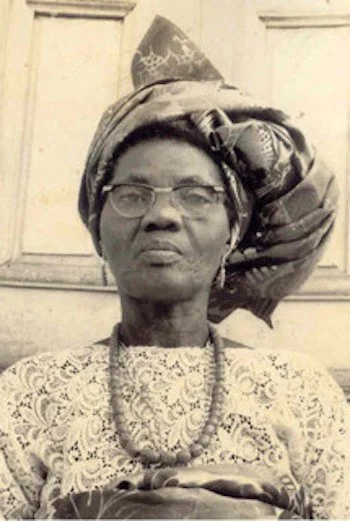
Chief Funmilayo Ransome-Kuti
(1900-1978)
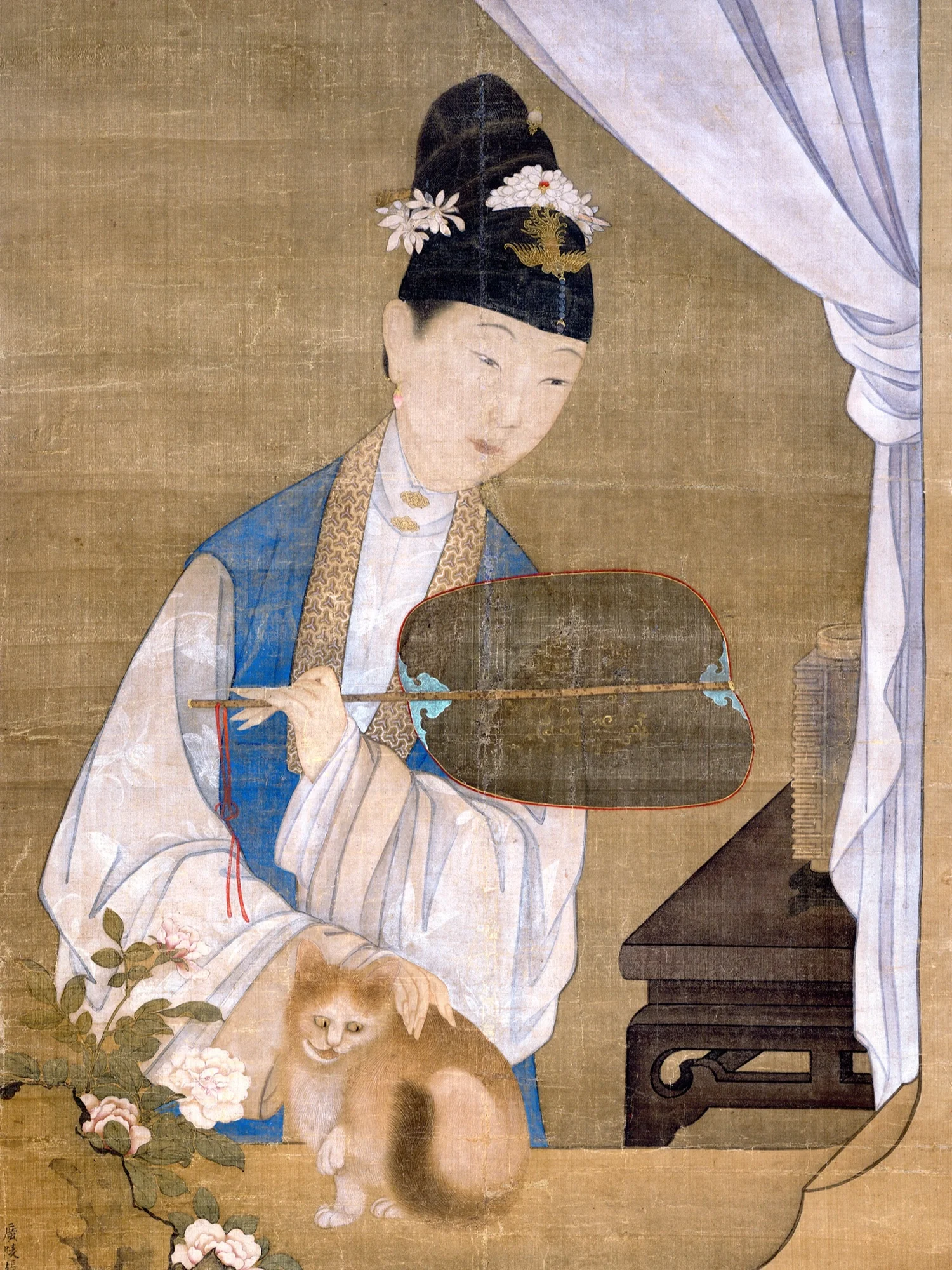
Wang Zhenyi
(1768–1797)
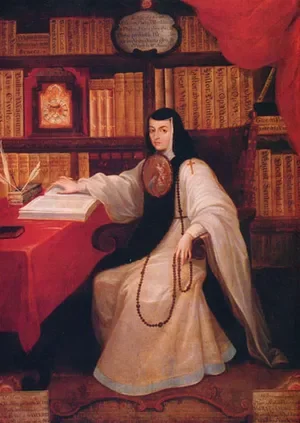
Sor Juana Inés de la Cruz
(1651?-1695)
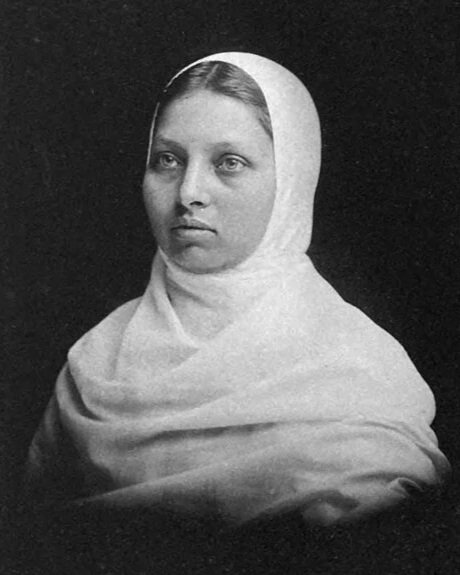
Pandita Ramabai
(1858–1922)
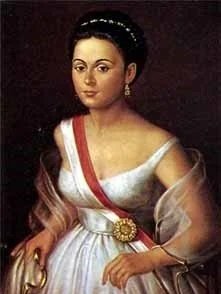
Manuela Saénz
(1797-1856)
The world has a long history of women who have advanced society through their skills, talents, and tenacity. To learn more about these and other Renaissance Women, or how we’re searching for them within our collective history, check out and subscribe to our Substack to read more!
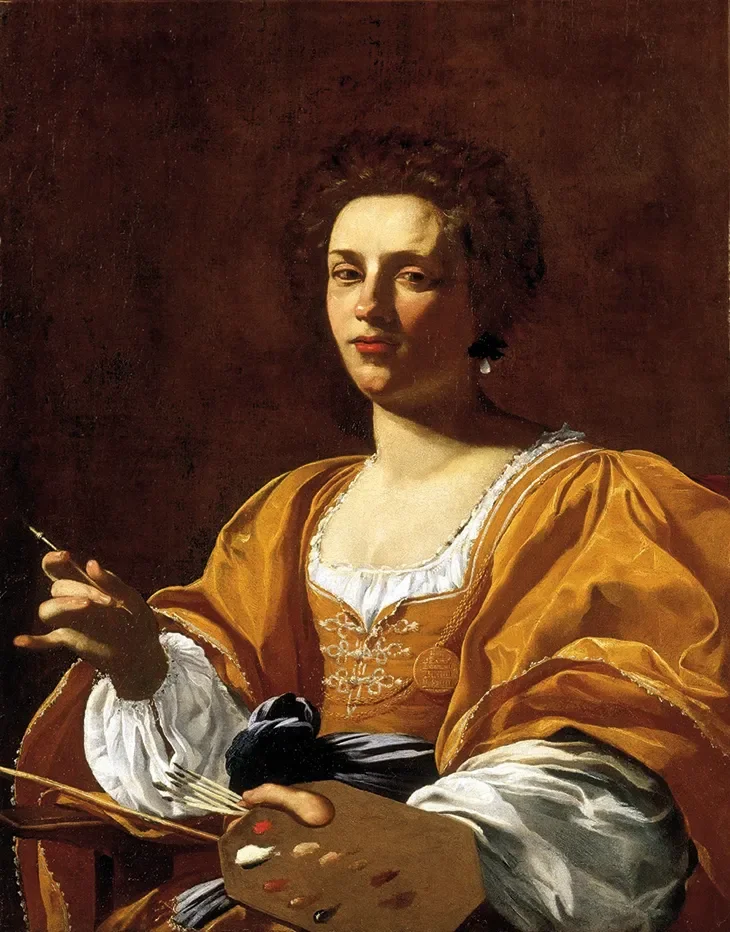
Artemisia Gentileschi
(1593–1652)

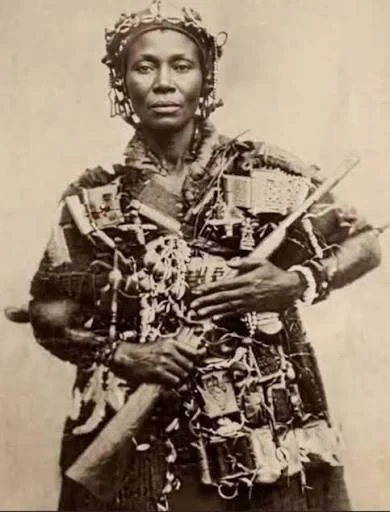
Queen Yaa Asantewaa
(1840–1921)
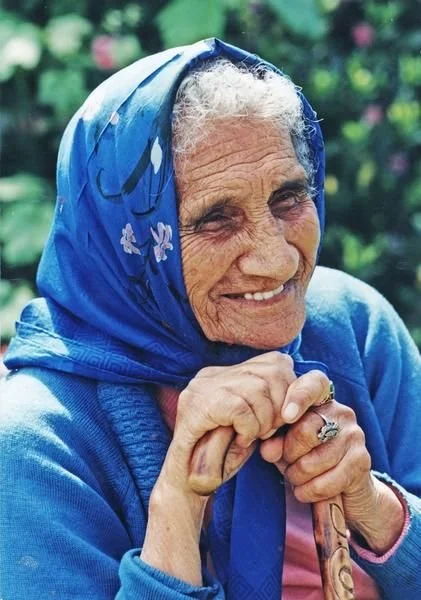
Dame Whina Cooper
(1895–1994)